MoroccoMiles
Casablanca, Morocco — The Economic Capital
All destinations

Atlantic Coast · From USD 1,190

Private Custom Casablanca Tour

Casablanca — The Economic Capital

Local insider briefing

A private custom Casablanca tour typically lasts 1 to 2 days from USD 1,190. Most transatlantic guests land here; MoroccoMiles uses the city as a refined Atlantic overture—Hassan II Mosque, Art Deco avenues and Ain Diab—before the medinas begin.

Local insider tips from our 15 years of craft book the mosque tour before the cruise crowds and keep the evening on the Corniche rather than a rushed medina replica. Certified native guides still read Casa as a working port of cinema light, salt air and Neo-Mauresque pastry shops.

Cultural introduction

Casablanca is Morocco's modernist Atlantic metropolis, a city of Art Deco downtown, ocean corniche and the monumental Hassan II Mosque rising from the surf. It is not a medina capital; it is a working port of cinema legend, business energy and salt air, where white façades catch a light that feels almost Californian. Travellers who give Casa a full day discover a different Morocco: oceanfront promenades, Neo-Mauresque pastry shops, and a mosque so vast it seems to levitate above the Atlantic.

Hassan II Mosque · Ain Diab Corniche · Habous Quarter · United Nations Square · Casablanca Old Medina

Suggested private stay: 2 days · 1 night, shaped around authentic hand-crafted passages and certified native guides.

Visual exploration

Landmarks of Casablanca

Local insider tips from our 15 years of craft: hidden historical gems and authentic hand-crafted passages, timed with certified native guides.

Hassan II Mosque in Casablanca
Suggested Duration · 1.5 Hours (guided visit)

Hassan II Mosque

Masjid Hassan II

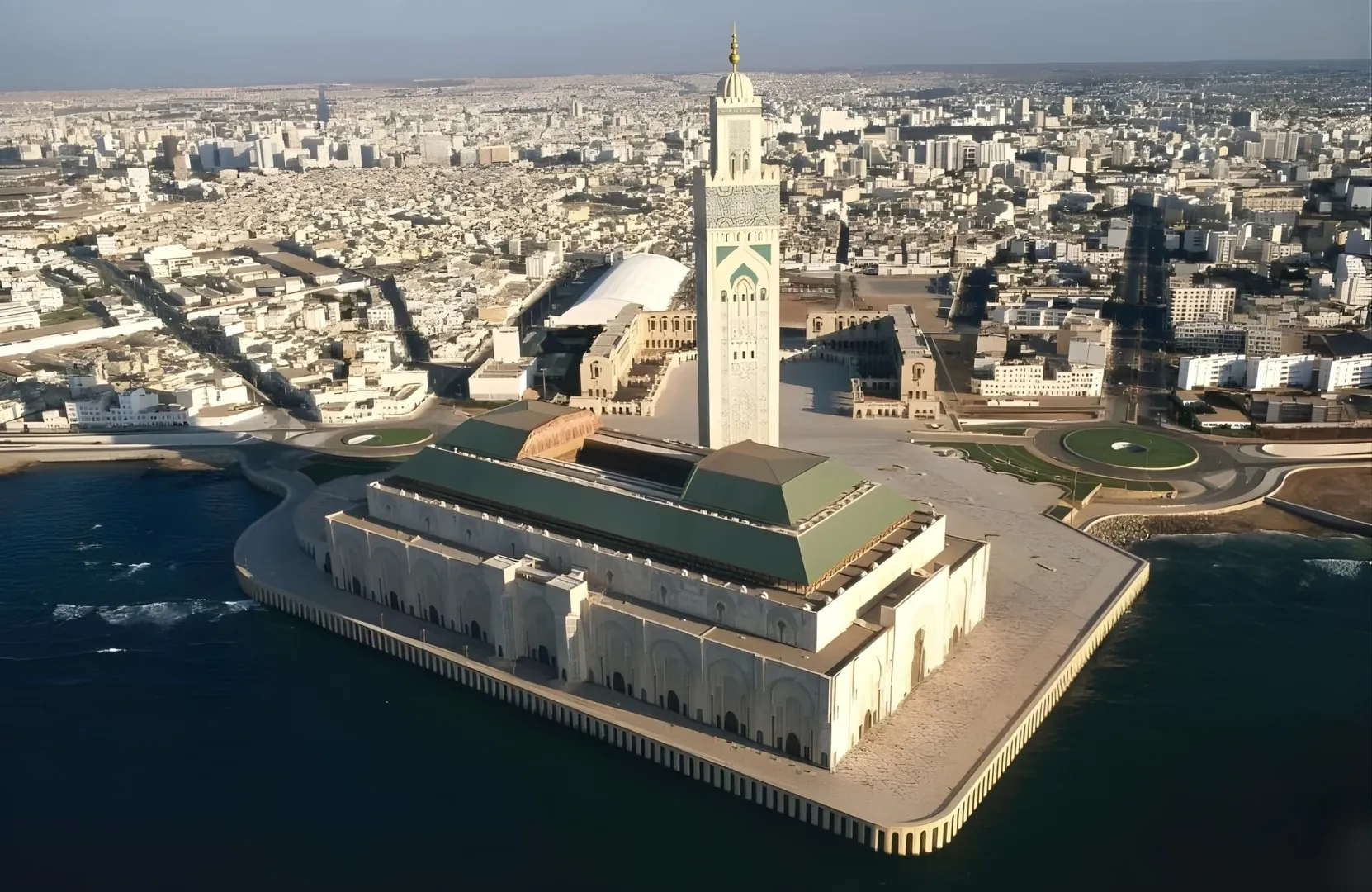
Rising above the Atlantic on a partially over-water platform, the Hassan II Mosque combines traditional Maghrebi craftsmanship with late-twentieth-century engineering on a scale that still startles: a soaring minaret, a retractable roof, and a prayer hall of cedar, marble and zellige that can hold tens of thousands. Built in the 1990s under King Hassan II, it is Morocco's most dramatic contemporary sacred landmark, and one of the few mosques in the country that non-Muslims may enter on guided visits. Book a tour. You will walk across glass panels above the ocean, look up into a universe of carved cedar, and hear how artisans from Fes and Marrakech were summoned to finish the interiors. Afterwards, stand on the esplanade as spray hits the walls. The signature moment is not the statistic; it is feeling the Atlantic breathe beneath a house of prayer.
Ain Diab Corniche in Casablanca
Suggested Duration · 2 Hours

Ain Diab Corniche

Corniche Ain Diab

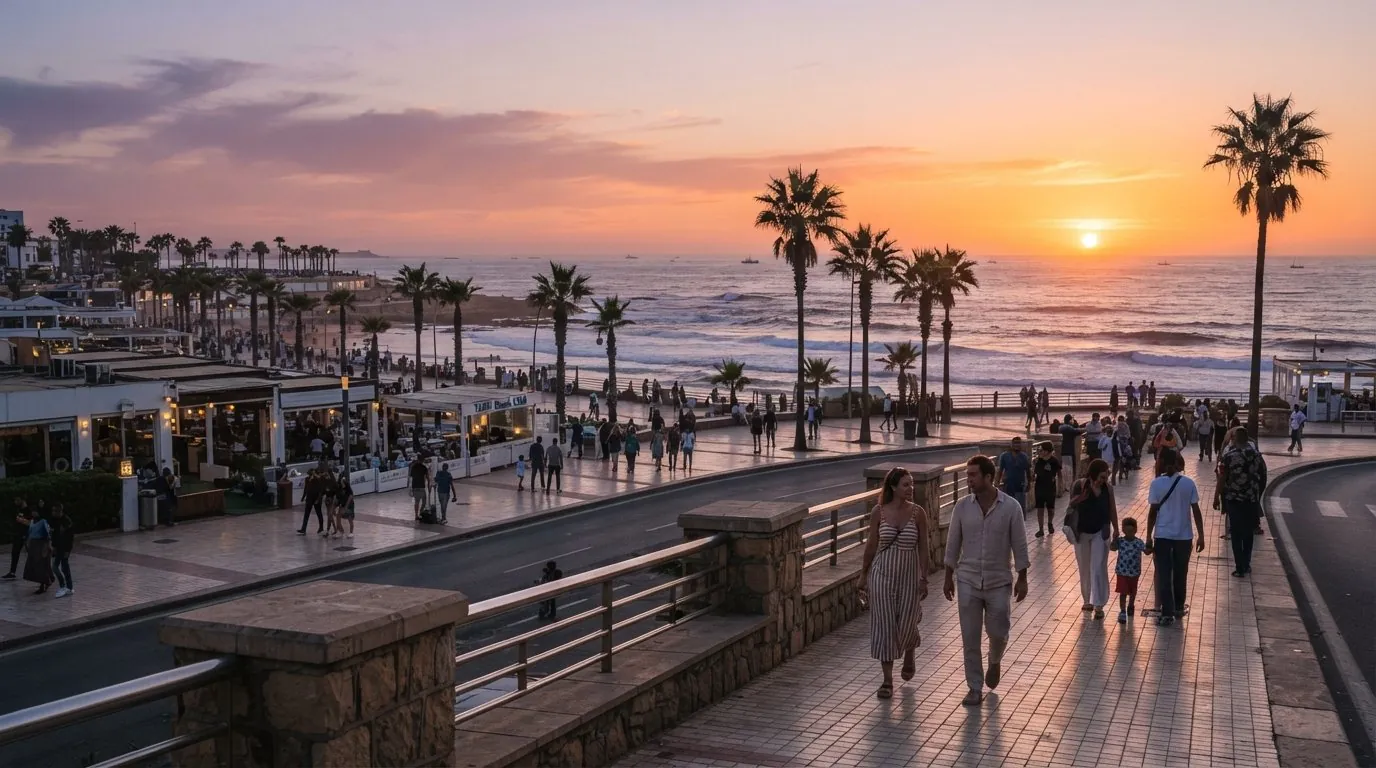
Casablanca's oceanfront boulevard of beaches, cafés and evening promenades is the city's social shoreline, where Atlantic wind meets urban leisure in a long ribbon of sand, clubs and seafood terraces. Ain Diab is where Casablancans come to walk, be seen, and eat grilled fish with a view of the swell. Come late afternoon. Walk the corniche as joggers and families share the pavement, then claim a table for oysters, sea bream and a cold drink as the light turns metallic. In warmer months you can swim, or simply sit with your feet in the sand watching surfers work the breaks. The luxury is atmospheric rather than historic: the feeling of a great African Atlantic city at play, salt on your lips, and the Hassan II minaret visible in the distance like a lighthouse of white stone.

Habous Quarter in Casablanca
Suggested Duration · 2 Hours

Habous Quarter

l-Habous

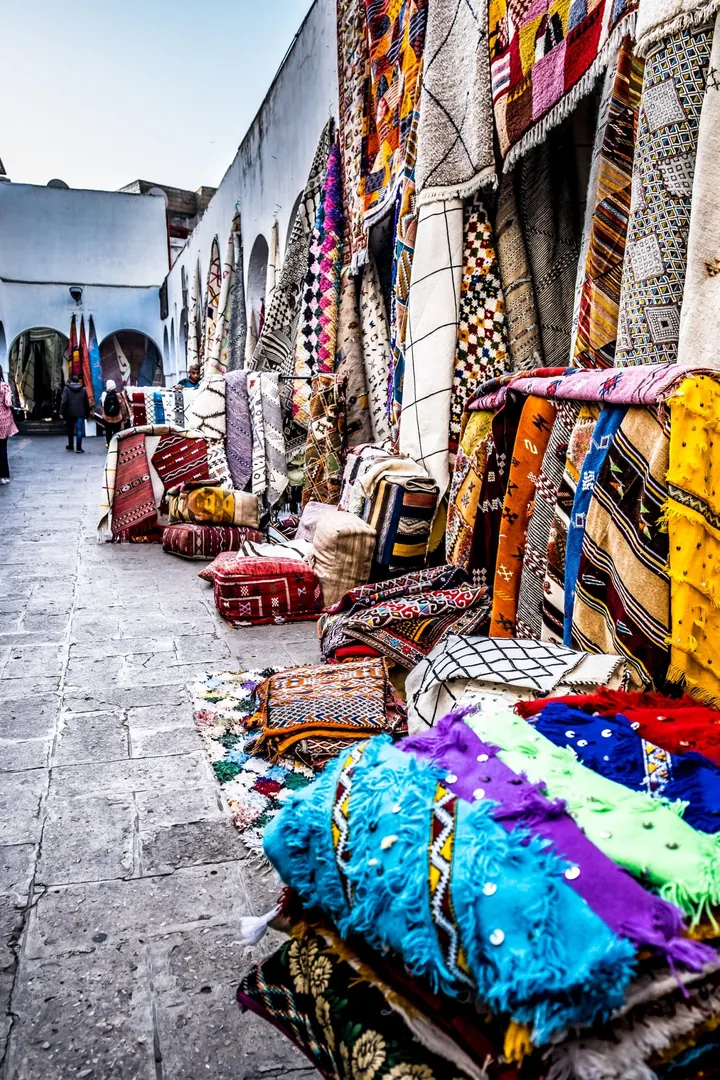
A 1920s French-Moroccan planned medina of arcades, bookshops and pastry stalls, Habous offers Neo-Mauresque charm without the intensity of older imperial medinas, its ochre walls and green-tiled roofs designed as a garden city for the new Casablanca. It remains one of the most pleasant places in Morocco to shop for crafts, olive oils and traditional clothing at a civilised pace. Wander the arcades, step into a courtyard mosque's exterior calm, then sit with a horn of kaab el ghzal and mint tea as locals buy wedding fabrics. The high-intent experience is a guided craft walk: meeting a bookseller of religious and literary titles, choosing a pair of handmade babouches, and photographing the almost theatrical gates. Habous is Casablanca's gentlest historic quarter, a place of shade, tile and the smell of orange blossom water from the patisseries.

United Nations Square in Casablanca
Suggested Duration · 1 Hour

United Nations Square

Sa7at l-Umam l-Muttahida

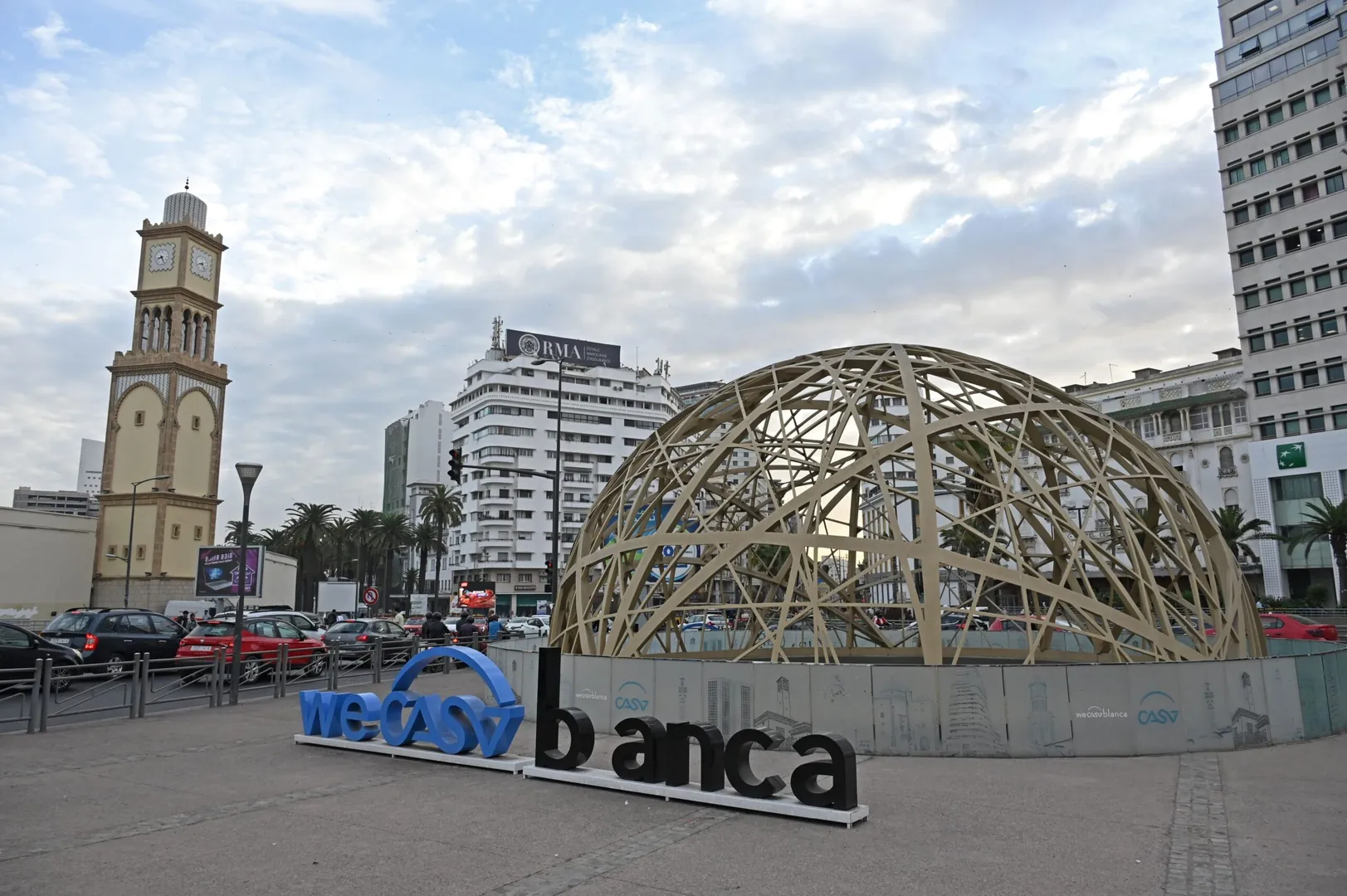
The historic heart of downtown Casablanca is framed by clock towers, colonial-era façades and the great arterial energy of a port metropolis, a gateway to Art Deco walks and the old medina fringe. This is the Casablanca of cinema memory and of actual commerce, where tram lines cross and white buildings catch a hard Atlantic light. Start here with a walking tour of the Art Deco centre: carved balconies, ocean-liner curves, and interiors that still surprise. Then sit at a historic café and watch the square's human traffic, a mix of office workers, shoppers and travellers in transit. The essential experience is architectural rather than monumental, learning to read Casa as a twentieth-century capital of style. Photographers should come in the late morning, when shadows cut the façades into geometry worthy of a modernist print.

Casablanca Old Medina in Casablanca
Suggested Duration · 1.5 Hours

Casablanca Old Medina

Medina Casa

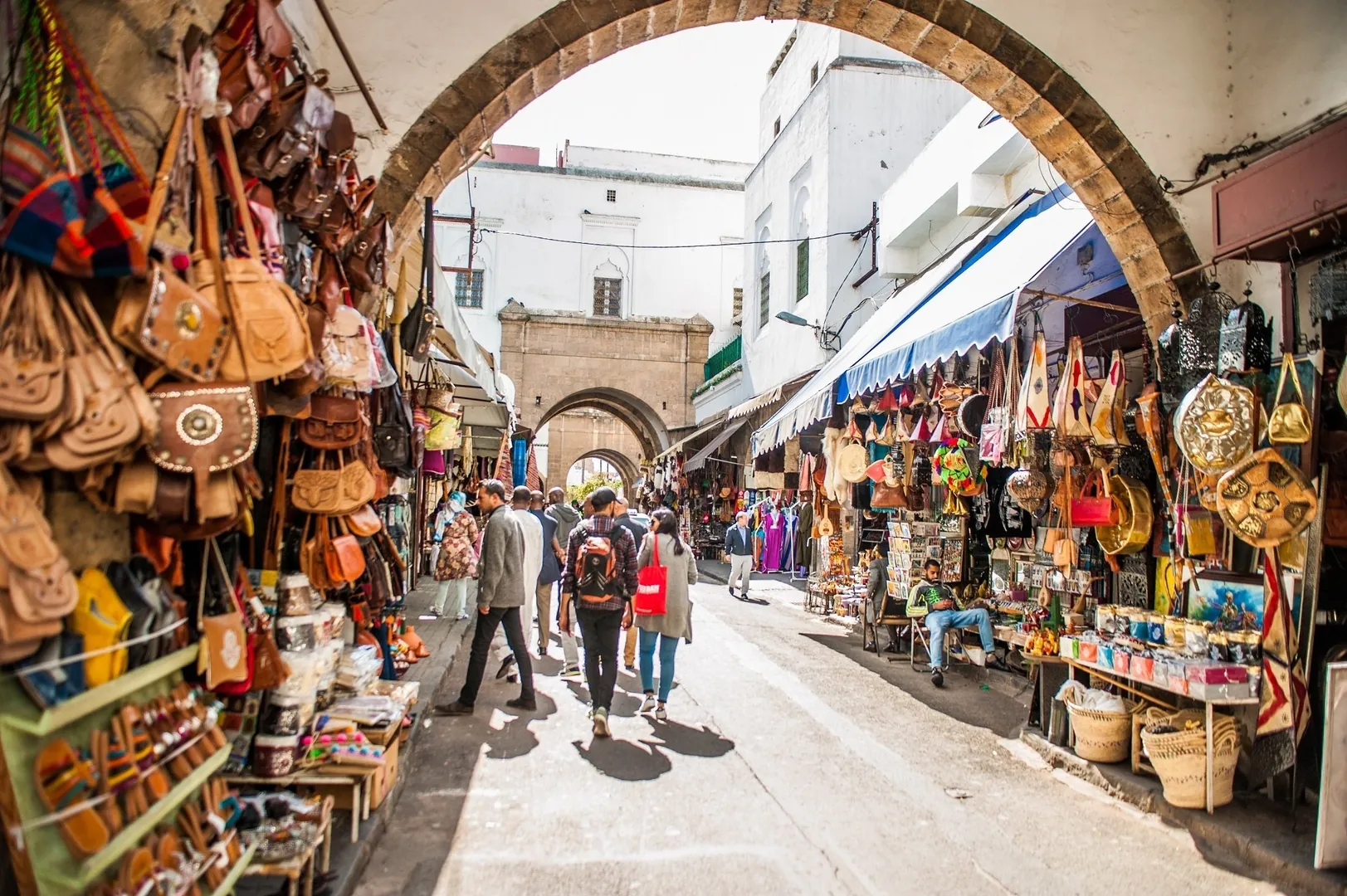
Often overlooked between the mosque and the corniche, Casa's old medina retains fishing-quarter grit, whitewashed lanes and local markets, a raw counterpoint to the polished Hassan II esplanade. This is a working neighbourhood of vegetable stalls, tailors and the smell of the port, more authentic for being unpretty. Walk it with a local or a trusted guide, especially if you want context on how the medina relates to the Art Deco ville nouvelle. Taste street bread and olives, watch fishermen's families shop for the day's catch, and emerge onto the walls with a sudden view of the Atlantic. The luxury here is honesty: a reminder that Casablanca is not only a resort of glass and marble, but a coastal city with a pulse older than the boulevard. Keep valuables close, stay curious, and the medina rewards you with photographs no postcard would print.