MoroccoMiles
Essaouira, Morocco — The Wind City
All destinations

Atlantic Coast · From USD 1,690

Private Custom Essaouira Tour

Essaouira — The Wind City

Local insider briefing

A private custom Essaouira tour typically lasts 3 days from USD 1,690. The road from Marrakech is exactly 3 hours through argan country, ending in a UNESCO medina of salt wind, thuya workshops and harbor seafood.

Local insider tips from our 15 years of craft time the Skala before the afternoon trades and still eat fish that landed an hour earlier. Certified native guides treat Essaouira as a living port, not a boutique backdrop—Gnawa rooms, rampart walks and a horizon where Mogador's islands float like a myth.

Cultural introduction

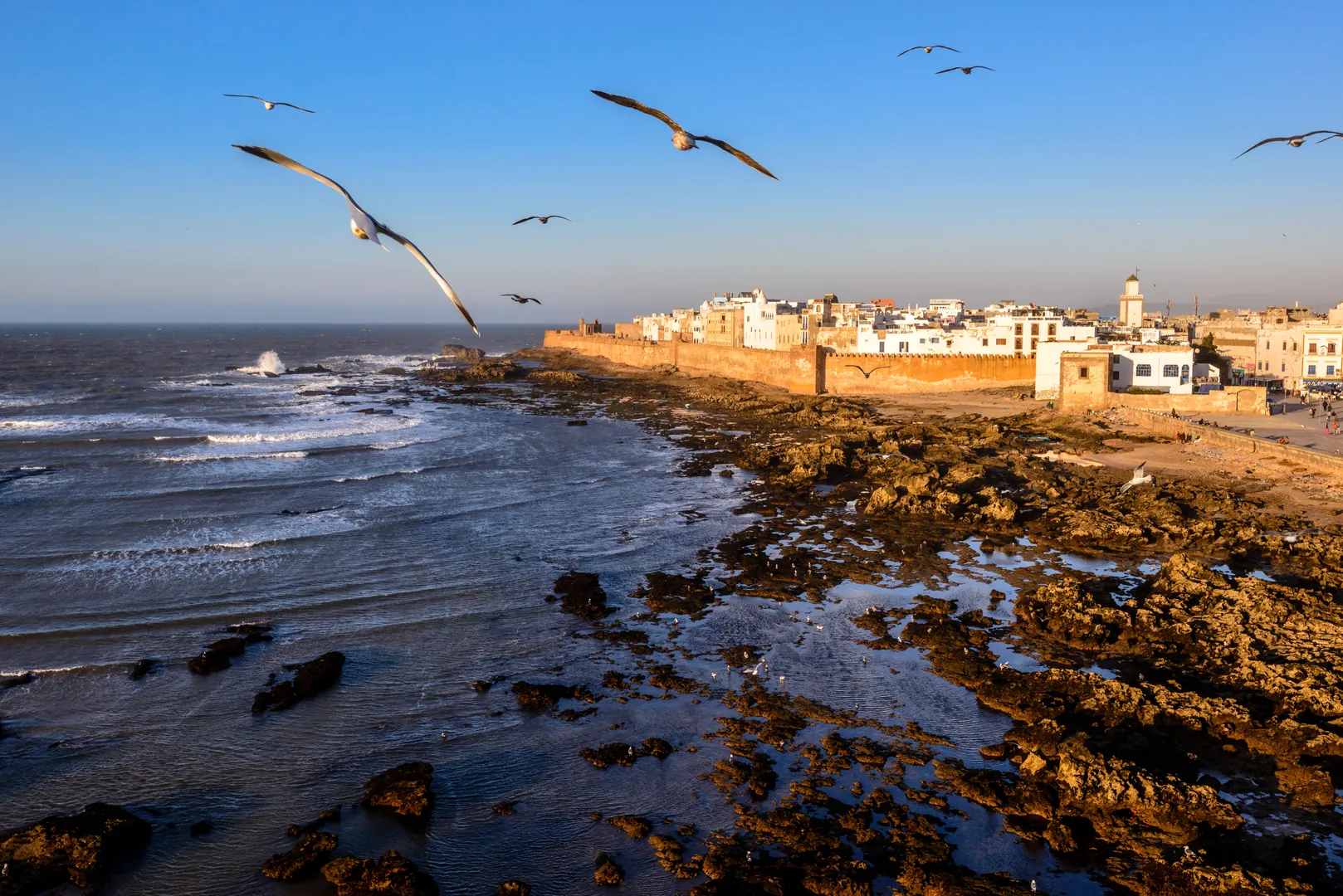
UNESCO-listed Essaouira blends Portuguese-era ramparts, Gnawa music heritage and Atlantic beaches in a breezy white-and-blue medina that smells of salt, thuya wood and grilled sardines. The trade winds that made it a kitesurfing capital also keep the lanes cool, and the harbour still lands the fish that appear an hour later on a clay plate. This is Morocco's most effortlessly chic coastal town: ramparts for walking, galleries for lingering, and a horizon where Mogador's islands float like a myth.

Sqala of the Kasbah · Essaouira Old Medina · Mellah Quarter · Essaouira Main Beach · Île de Mogador

Suggested private stay: 3 days · 2 nights, shaped around authentic hand-crafted passages and certified native guides.

Visual exploration

Landmarks of Essaouira

Local insider tips from our 15 years of craft: hidden historical gems and authentic hand-crafted passages, timed with certified native guides.

Sqala of the Kasbah in Essaouira
Suggested Duration · 1.5 Hours

Sqala of the Kasbah

Sqala l-Qasba

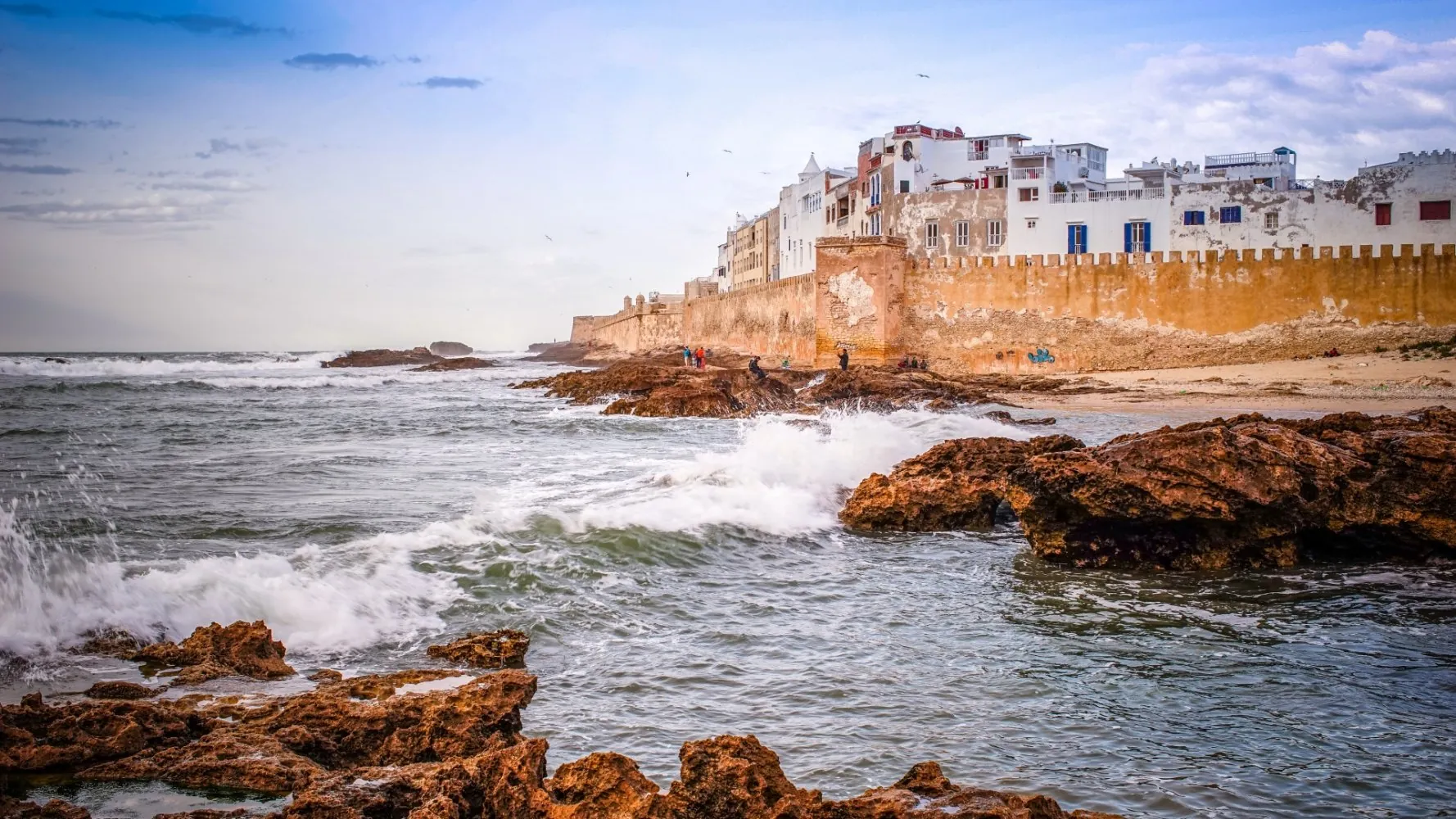
Cannons along the ocean ramparts define Essaouira's cinematic skyline, a line of bronze and iron facing the swell that has featured in films and in every traveller's first photograph of the Wind City. The Sqala, the artillery platform of the eighteenth-century Alaouite fortifications, is the classic walk for Atlantic spray, late light and the lore of a port designed by European engineers for a Moroccan sultan. Walk the full length of the ramparts as gulls scream and waves explode against the stones. Photograph the cannons against white walls and a hard blue sea, then step into a rampart café for mint tea that tastes of the wind. The signature experience is golden hour here, when the medina's limewash turns apricot and the islands of Mogador darken offshore. Few Moroccan walks combine military history and pure sensory pleasure so completely.
Essaouira Old Medina in Essaouira
Suggested Duration · 3 Hours

Essaouira Old Medina

Medina Souira

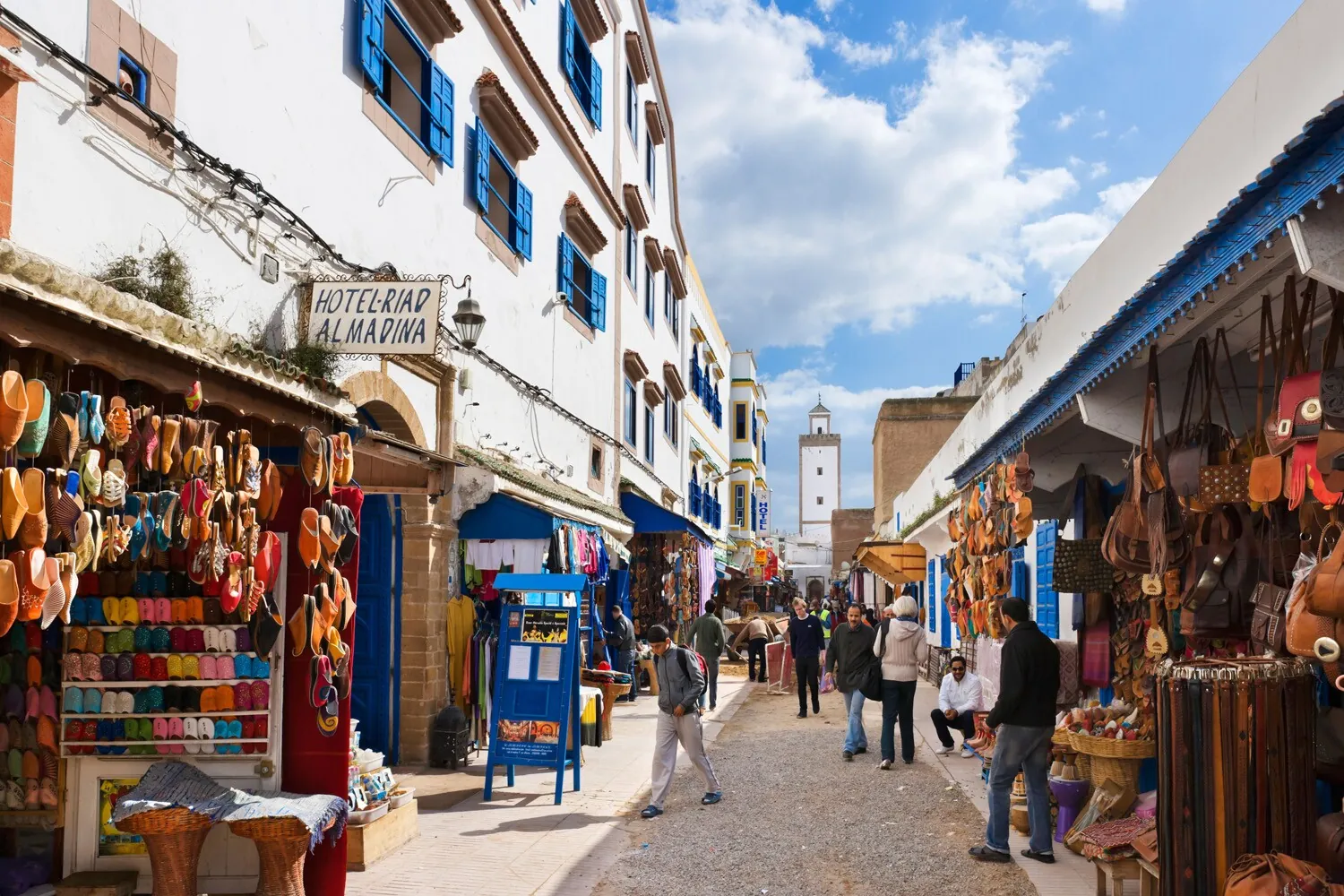
A grid of thuya-wood workshops, galleries and whitewashed lanes, Essaouira's medina was planned in the eighteenth century as a compact, breezy port, later beloved by musicians, artists and Orson Welles. Unlike the labyrinths of Fes, it is walkable, orthogonal and endlessly photogenic, a town of blue shutters, cats on doorsteps and the sweet resin smell of inlaid wood. Spend hours without a map. Watch a craftsman cut thuya and lemonwood into a chessboard, step into a Gnawa house if music is playing, and bargain gently for a painting or a silver filigree piece. Eat grilled sardines near the harbour, then lose yourself in the Mellah-adjacent lanes as the afternoon wind rises. The high-intent experience is meeting makers, not merely shopping: commissioning a small marquetry box, or sitting in a courtyard as a local musician explains the iron castanets of the qraqeb.

Mellah Quarter in Essaouira
Suggested Duration · 1 Hour

Mellah Quarter

l-Mellah

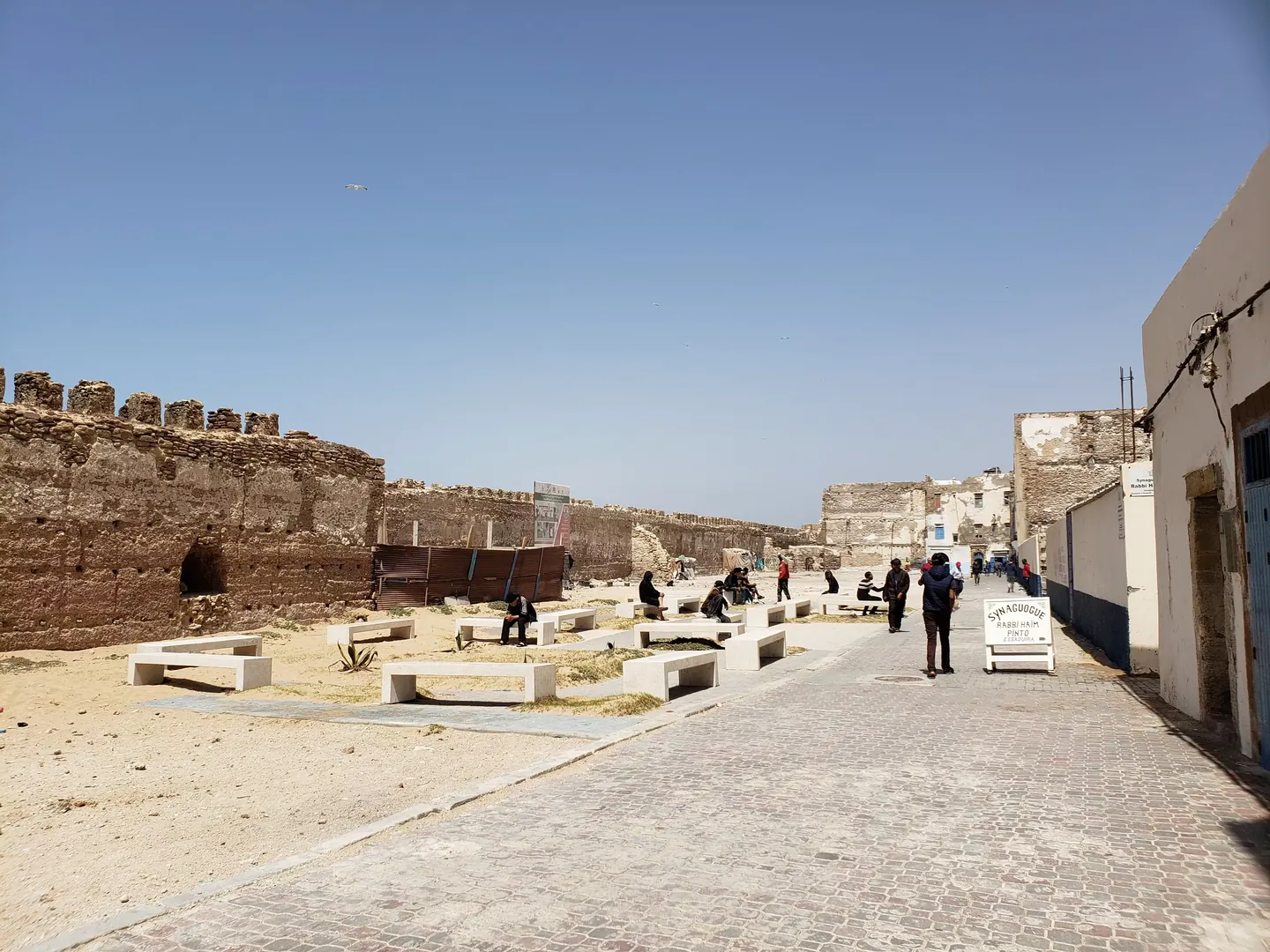
Essaouira's historic Jewish quarter preserves traces of a once-thriving community that was central to the city's trading identity, when Jewish merchants linked Mogador to Manchester, Mogador to the Sahara, and the port to a wider Atlantic world. The lanes are quieter now, the synagogues few, but the architecture and the stories remain. Walk with a cultural guide who can point out Hebrew inscriptions, former houses of commerce, and the social fabric that made Essaouira unusually plural. Visit a restored synagogue if it is open, photograph the peeling blues and sea-light at the end of alleys, and pause to understand a Morocco that was always more than a single narrative. The experience is reflective rather than spectacular, and that is its luxury: depth, memory, and the salt air moving through streets that once spoke several languages at once.

Essaouira Main Beach in Essaouira
Suggested Duration · 2 Hours

Essaouira Main Beach

Plage Souira

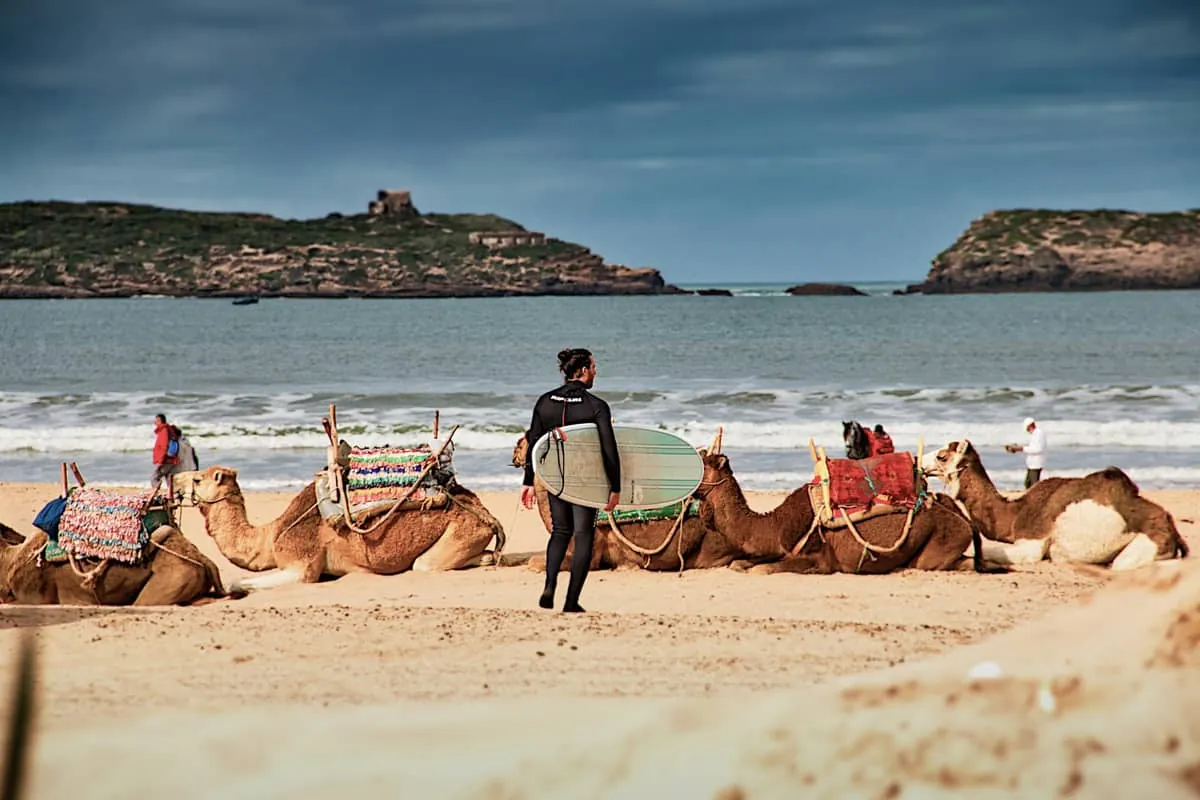
Wide Atlantic sands favoured by kite-surfers and sunset walkers stretch south of the ramparts, with the purple islands of Mogador floating offshore like a painted backdrop. Essaouira earns its nickname here: the wind is a character, filling kites, whipping spray, and making even a simple walk feel cinematic. Bring layers. Watch professional riders slice across the break, then walk toward the dunes as camels pass in silhouette. If you kite, this is one of North Africa's great spots; if you do not, take a lesson on a milder day or simply sit with grilled fish as the sun drops behind the islands. The signature evening is a barefoot walk at the waterline, ramparts gold on one side, ocean on the other, the call to prayer mixing with the hiss of surf. It is coastal Morocco at its most elemental and stylish.

Île de Mogador in Essaouira
Suggested Duration · Half Day (excursion)

Île de Mogador

Jazirat Mogador

The protected Purple Islands offshore hold Phoenician history, a Portuguese fortress, and a sanctuary for Eleonora's falcons, a maritime mythos that gave Essaouira its older name of Mogador. The islands are a nature reserve; landings are restricted, but boat approaches, when season and permits allow, still reveal the city's seaward soul. Book a supervised excursion rather than improvising. You will circle ochre cliffs, hear the story of murex dye that tinted imperial purple, and watch birds work the wind above ruined walls. Even from the ramparts, binoculars make the islands a living horizon. The high-intent traveller treats this as a half-day of sea air and narrative, then returns to the harbour for a plate of the same ocean's catch. Mogador is not a beach club; it is the reason Essaouira feels older and wilder than its boutiques suggest.