MoroccoMiles
Safi, Morocco — City of Potters
All destinations

Atlantic Coast · From USD 1,290

Private Custom Safi Tour

Safi — City of Potters

Local insider briefing

A private custom Safi tour typically lasts 2 days from USD 1,290 and is the essential craft stop on the Atlantic—Château de la Mer, a working harbour, and the potters' quarter of Hay l-Fakhara.

Local insider tips from our 15 years of craft walk you into active kilns rather than souvenir stalls. Our native guides still smell of wet clay and fish smoke, and they introduce masters who throw plates you can commission before lunch on the same ocean.

Cultural introduction

Safi combines a Portuguese sea castle, a working Atlantic harbour and the most important pottery quarter on the Moroccan coast, a city that still smells of kiln smoke, fish and wet clay. This is not a polished resort; it is a craft capital where you can watch a master throw a plate, then eat the day's catch within sight of the same ocean. Travellers who care about making things, not merely buying them, find Safi unforgettable.

Château de la Mer · Potters' Quarter (Hay l-Fakhara) · Old Medina Walls

Suggested private stay: 2 days · 1 night, shaped around authentic hand-crafted passages and certified native guides.

Visual exploration

Landmarks of Safi

Local insider tips from our 15 years of craft: hidden historical gems and authentic hand-crafted passages, timed with certified native guides.

Château de la Mer in Safi
Suggested Duration · 1 Hour

Château de la Mer

Qal3at l-B7ar

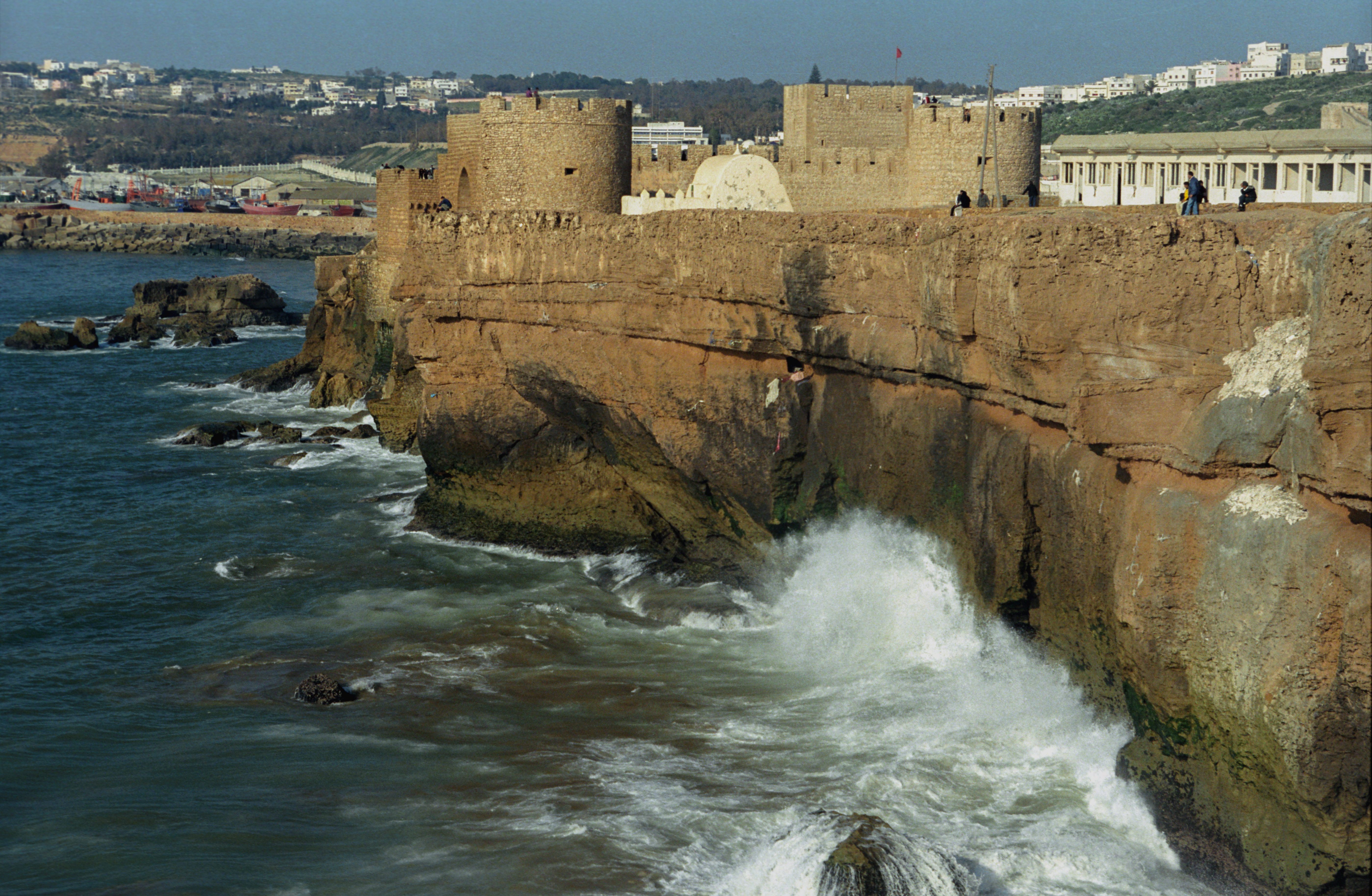
The Portuguese sea castle anchors Safi's harbour history, a stone fortress facing Atlantic swells and fishing fleets that still work the same waters the garrison once watched. Built in the sixteenth century when Safi was a Portuguese stronghold, it remains the city's most atmospheric historic silhouette, salt-stained and unvarnished. Walk the ramparts as the wind comes straight off the ocean, photograph the contrast of castle and colourful boats, and look back toward the medina walls. A local guide can unpack the Portuguese chapter and Safi's later role as a phosphate and sardine port. The signature experience is timing the visit for the return of the fleet, when gulls riot and the harbour smells of diesel and fish, a living port rather than a postcard. Then descend for a simple seafood lunch. This is Atlantic Morocco without the boutique filter, and it has a rough, memorable glamour.
Potters' Quarter (Hay l-Fakhara) in Safi
Suggested Duration · 2 Hours

Potters' Quarter (Hay l-Fakhara)

Hay l-Fakhara

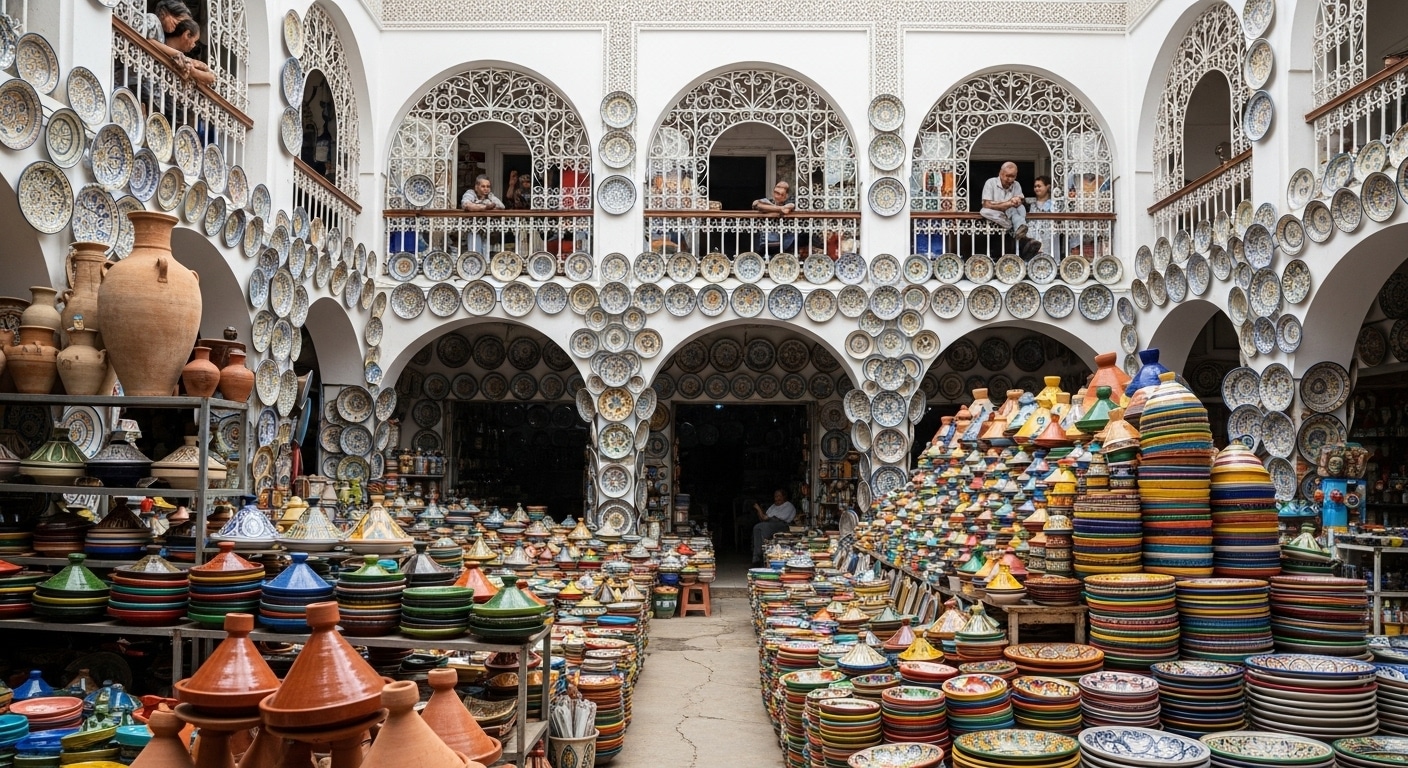
Safi's ceramic heart is a hillside of workshops, bottle kilns and blue-and-white pottery traditions that still supply markets across Morocco, a living guild district rather than a craft display for tourists. Here you will hear the kick of wheels, smell wet clay and woodsmoke, and see plates, bowls and architectural tiles stacked like edible colour. Walk with a ceramic specialist or a trusted potter. Watch a master centre a lump of local clay, then, if the workshop allows, throw a small piece yourself or commission a plate hand-painted with your name in Arabic script. The high-intent souvenir is that custom piece, collected after firing if you have time, or shipped with care. Photograph the kilns against the Atlantic haze. Few travel experiences in Morocco are this tactile: dust on your fingers, glaze like jewellery, and the knowledge that Safi has been a city of fire and earth for centuries.

Old Medina Walls in Safi
Suggested Duration · 1.5 Hours

Old Medina Walls

Swar l-Medina

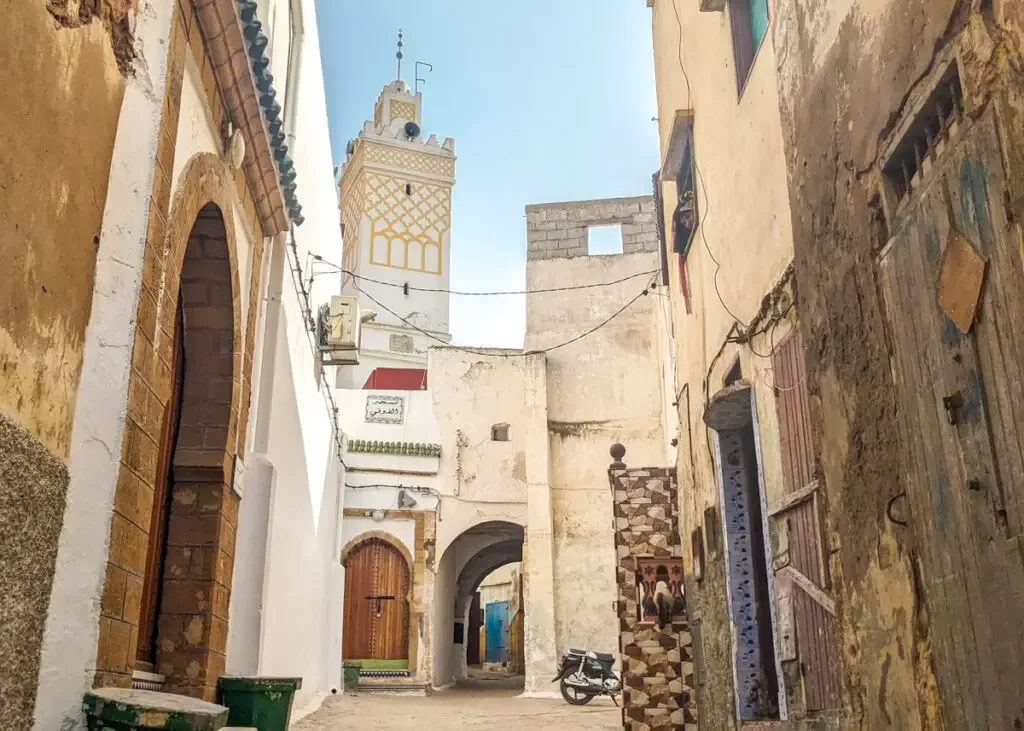
Walk the medina perimeter for harbour vistas and everyday Atlantic-Moroccan street life beyond resort polish, a circuit of ramparts, gates and neighbourhoods that still feel like a working city. Safi's old town is about fishing families, bakeries and the call to prayer, not boutique riads. That is its charm. Follow the walls as they rise and fall, step into a lane for a glass of tea, and look down on the port's geometry of nets and hulls. A local companion helps you read the town without getting lost in the purely practical. Photograph the contrast of Portuguese castle, medina stone and the industrial edge of a phosphate port, an honest coastal portrait. The luxury here is observational: the pleasure of a city that did not reinvent itself for you, yet still offers a superb walk, a superb kiln, and a superb piece of grilled fish at the end of the afternoon.