MoroccoMiles
Tanger, Morocco — Gateway of the Strait
All destinations

Atlantic Coast · From USD 1,750

Private Custom Tanger Tour

Tanger — Gateway of the Strait

Local insider briefing

A private custom Tangier tour typically lasts 3 days from USD 1,750. Spain is visible across the Strait on a clear day, and MoroccoMiles uses the city as the classic European gateway—kasbah terraces, Cap Spartel and the Caves of Hercules.

Local insider tips from our 15 years of craft still begin with mint tea above the Petit Socco and a late walk when the Interzone light turns the strait to metal. Our native guides read Tangier as a meeting of continents, not a cruise stop, and keep the cafés and caves in the order the city itself prefers.

Cultural introduction

Tangier faces Europe across the Strait of Gibraltar, a city of kasbahs, cafés, sea caves and maritime myth where the Atlantic and the Mediterranean seem to argue in the same wind. For a century it was an Interzone of writers, spies and smugglers; today it is a regenerated port with a still-magnetic old town. You come for the view toward Spain, stay for mint tea in the Petit Socco, and leave with the feeling that continents are a rumour you can see from a terrace.

Kasbah & Museum · Caves of Hercules · Cap Spartel · Grand & Petit Socco · Tanja Marina Bay

Suggested private stay: 3 days · 2 nights, shaped around authentic hand-crafted passages and certified native guides.

Visual exploration

Landmarks of Tanger

Local insider tips from our 15 years of craft: hidden historical gems and authentic hand-crafted passages, timed with certified native guides.

Kasbah & Museum in Tanger
Suggested Duration · 2 Hours

Kasbah & Museum

Qasbat Tanja

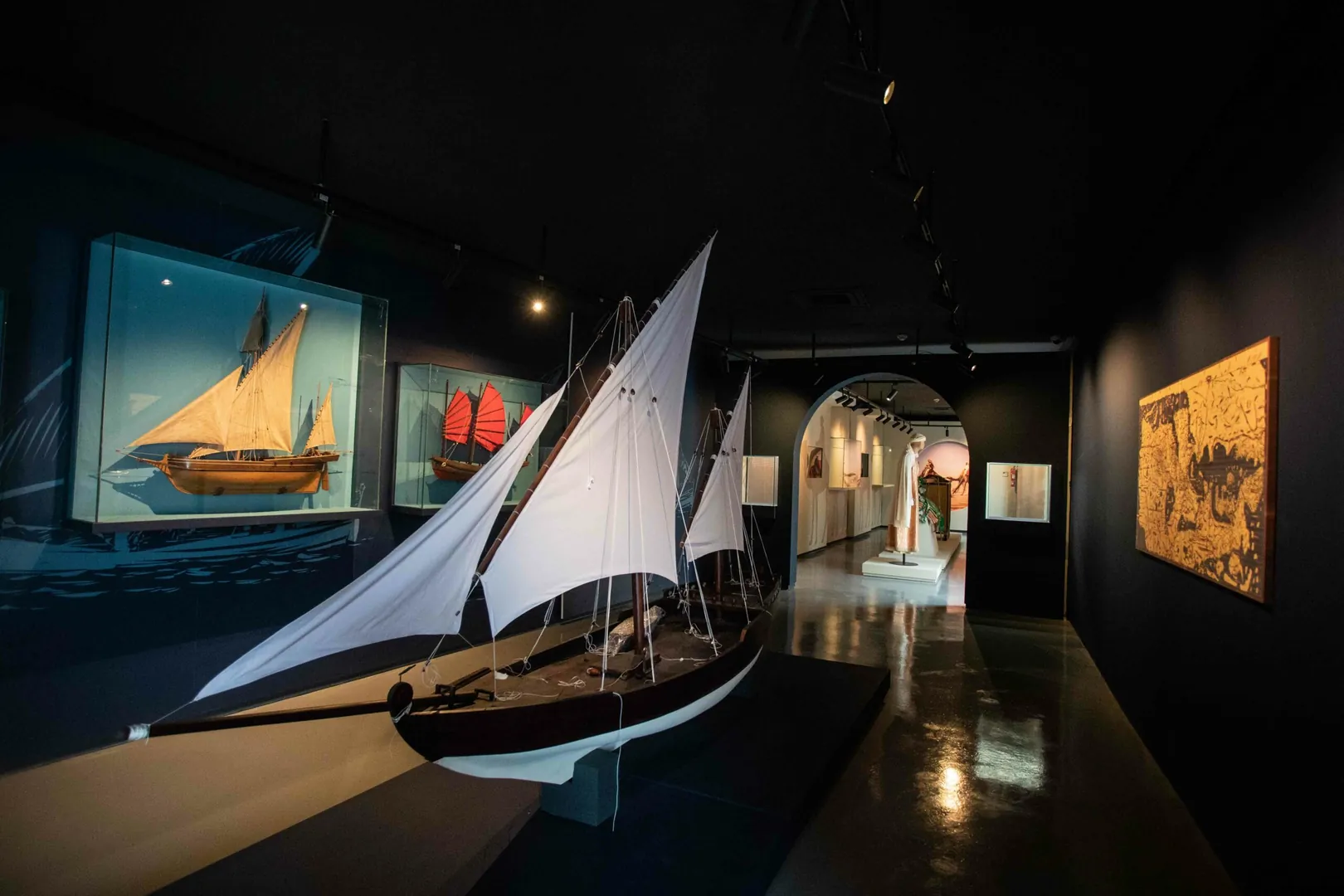
The hilltop kasbah museum occupies a former sultan's palace, Dar el-Makhzen, with collections spanning archaeology to ethnographic arts, plus terraces that look across the Strait of Gibraltar as if Europe were a neighbouring roof. The interiors themselves are the first exhibit: Andalusian-Moroccan courtyards, carved cedar, and rooms that still feel like a residence of power. Wander the palace slowly, then step onto the ramparts as ferries cut the water toward Tarifa. A specialist guide can unpack Tangier's layers, from Phoenician beginnings to the International Zone. The signature experience is combining museum and neighbourhood: tea in a kasbah café, a wander through white lanes scented with jasmine, and a photograph of Spain on a clear day. Few Moroccan sites offer such a precise sensation of standing at the hinge of two seas and two continents.
Caves of Hercules in Tanger
Suggested Duration · 1.5 Hours

Caves of Hercules

Mgharet Hercules

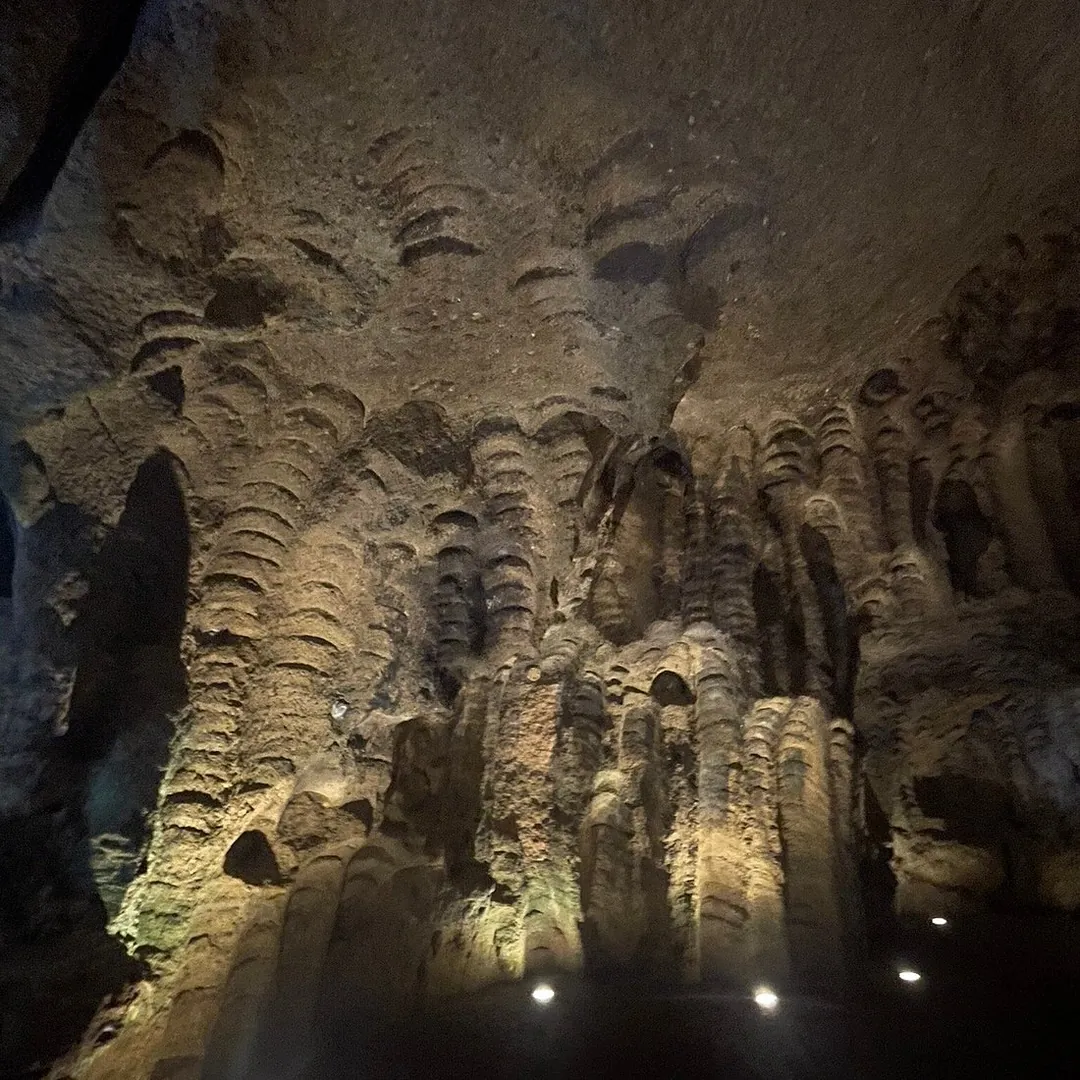
Legendary sea caves west of Tangier open to the Atlantic in a silhouette often compared to the map of Africa, a meeting of mythology, geology and sunset photography on the edge of Cape Ashakar. Tradition says Hercules rested here after his labours; the sea has been carving the chambers far longer than any myth. Walk down into the cavern, feel the boom of swell in your chest, and frame the famous opening as light floods the stone. Time the visit for late day, when the ocean turns bronze and the cave mouth becomes a theatre. Pair it with a coastal walk and a seafood lunch nearby. The high-intent moment is simply standing in that aperture, wind in your hair, Africa's outline cut from living rock, while waves explode into white at your feet. It is Tangier's most elemental postcard, and it still works.

Cap Spartel in Tanger
Suggested Duration · 1.5 Hours

Cap Spartel

Ras Spartel

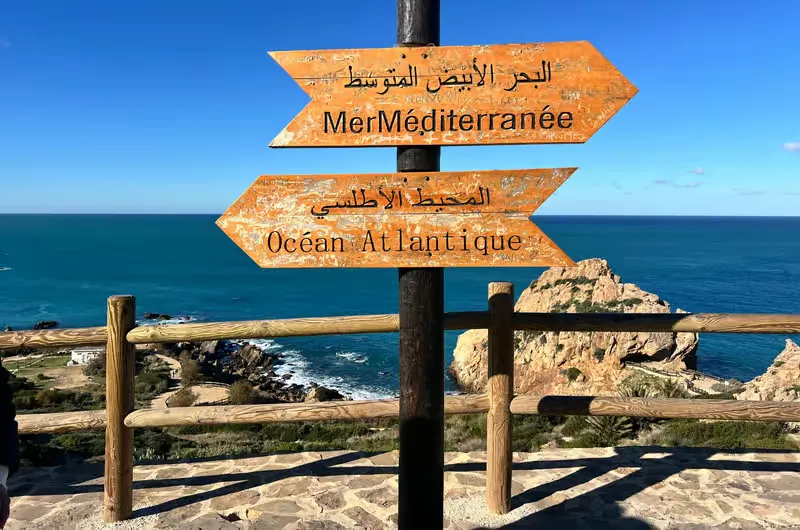
Where popular geography says the Atlantic meets the Mediterranean, Cap Spartel's lighthouse headland offers dramatic coastal walks, café views and a sense of standing at the world's hinge. The 1864 lighthouse still watches shipping lanes that have carried Phoenicians, Romans and modern tankers through the same narrows. Come with time to walk the clifftops, photograph the white tower against a hard sea, and sit for a drink as the wind rearranges the afternoon. On clear days the Iberian coast is a pale suggestion; on wild days the cape is all spray and drama. The essential experience is unhurried: combining Spartel with the Caves of Hercules in a single coastal loop, then returning to Tangier as the Strait lights begin to flicker. It is geography as luxury, the pleasure of knowing exactly where you are on the planet.

Grand & Petit Socco in Tanger
Suggested Duration · 2 Hours

Grand & Petit Socco

Socco Kabir w Sghir

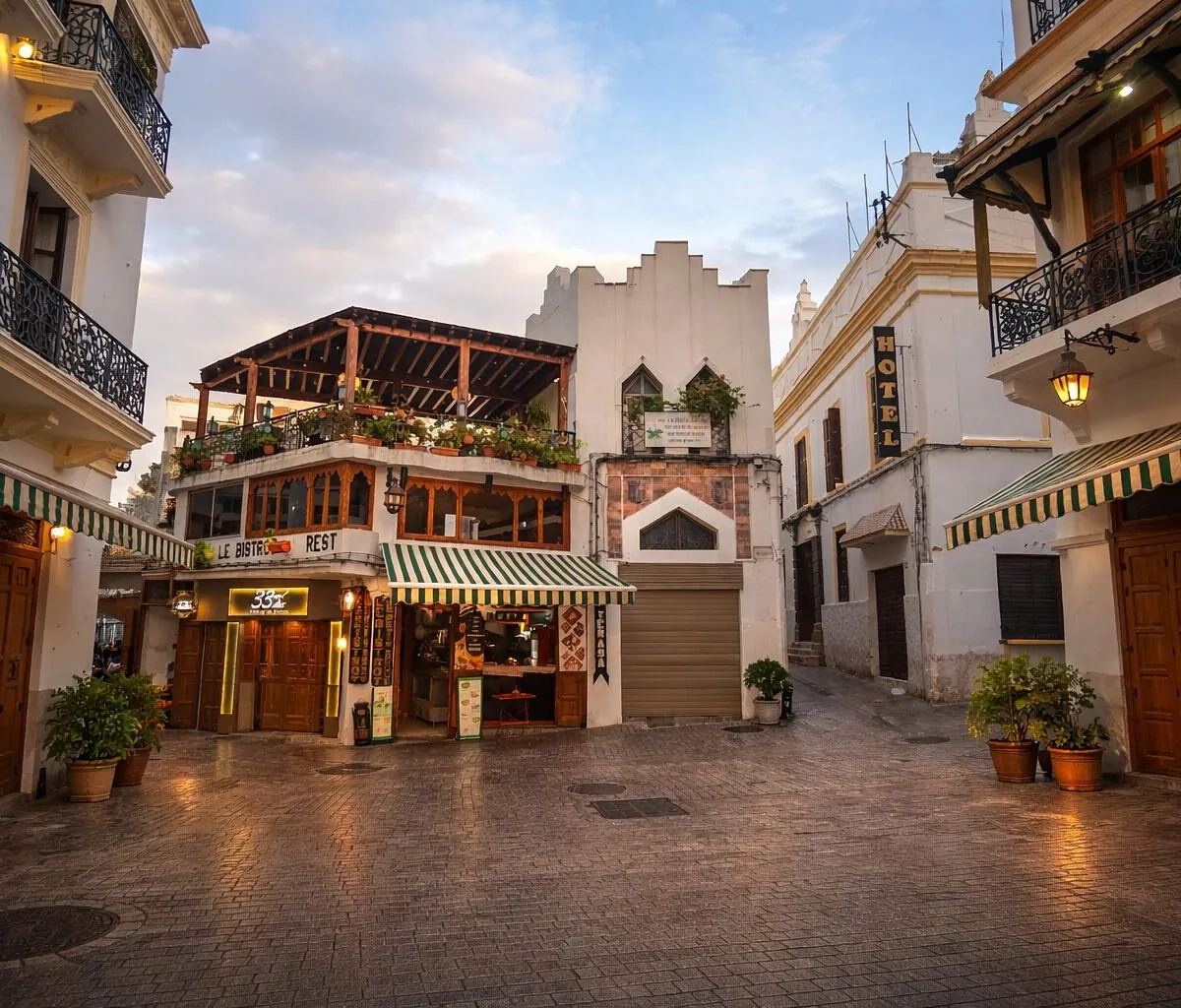
Tangier's legendary squares link medina energy with café culture immortalised by writers and artists of the Interzone era, when Bowles, Bacon and a rotating cast of exiles made the Petit Socco a stage. The Grand Socco, officially Place du 9 Avril, is the city's outdoor salon of fountains, taxis and the Cinema Rif; the Petit Socco is smaller, denser, and still the place to sit with a coffee and watch Tangier happen. Do as the city does. Claim a terrace table, order mint tea or a strong espresso, and let the afternoon dissolve into people-watching. Then wander the medina lanes that feed the squares, browsing textiles and spices without haste. The high-intent experience is literary and social: a guided walk of Interzone sites, then a long, unapologetic café sitting. Tangier is a city that rewards lingering more than ticking.

Tanja Marina Bay in Tanger
Suggested Duration · 1.5 Hours

Tanja Marina Bay

Marina Tanja

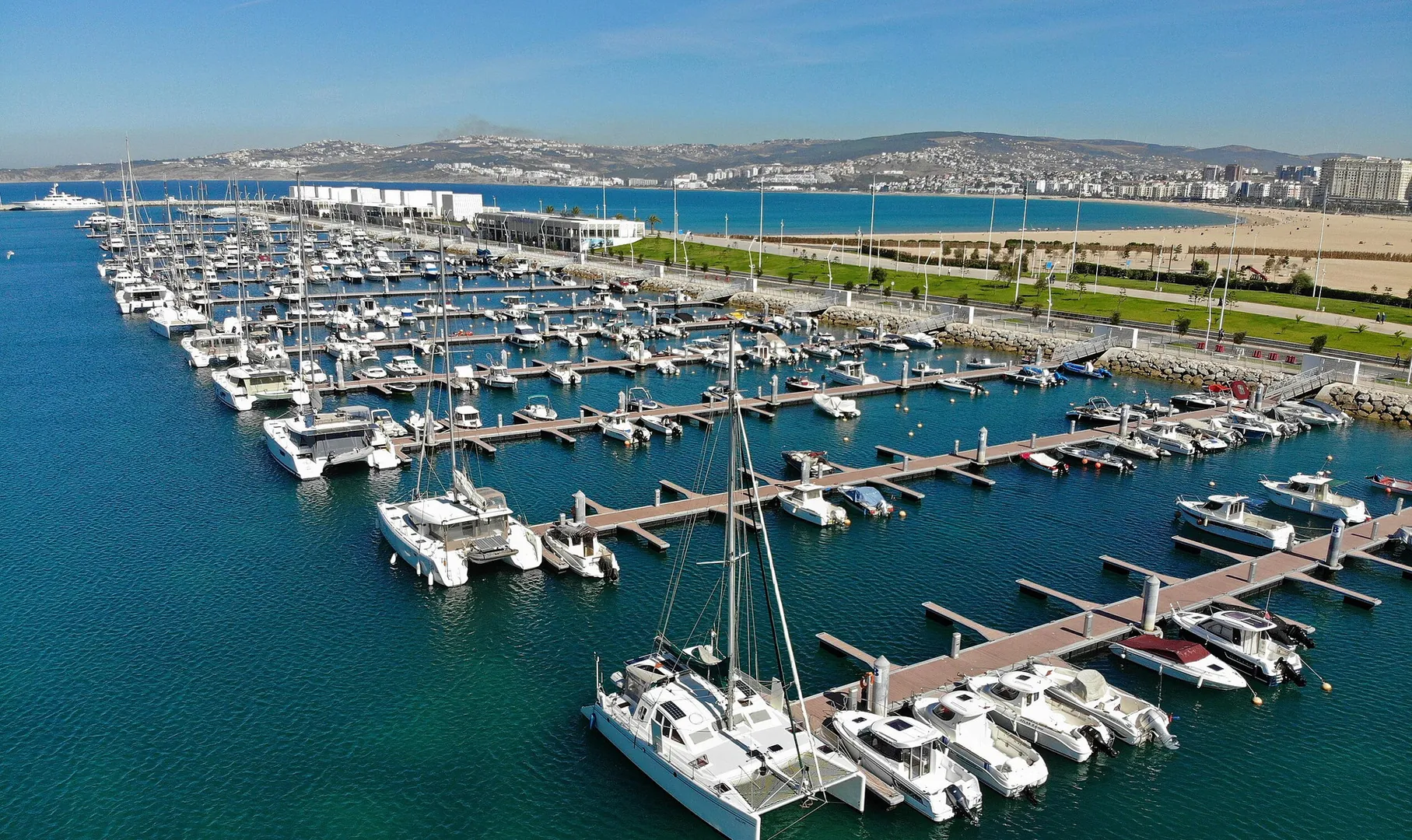
The regenerated waterfront of modern Tangier is a composition of marinas, promenades and contemporary dining facing the Strait's shipping lanes, a gleaming counterpoint to the kasbah's white cubes. Here the city performs its twenty-first-century self: yachts, evening walkers, and restaurants that serve both Moroccan classics and a more international table. Come at dusk. Walk the marina as lights come on across the water and Spain becomes a necklace of glow. Sit down to grilled fish or a refined couscous, then stroll until the air turns cool. The luxury is the view as much as the menu, the sensation of a strait that has always been a highway now framed by design. Pair the marina with a kasbah morning, and you have Tangier's whole argument: old myth and new glass, sharing the same sea.